How Building Certifiers and Land Surveyors Work Together
Understanding The Link Between Building Certifiers and Land Surveyors
Building certifiers and land surveyors play crucial roles in ensuring construction projects comply with Australian regulations. Their collaboration is essential for smooth project approvals, legal compliance, and structural integrity. While their roles differ, they often intersect at critical stages of development, from pre-construction planning to final approvals.

Defining the Roles: Who Does What?
Land Surveyors
Land surveyors are responsible for measuring and mapping land to determine boundaries, topography, and other site-specific details. Their work provides the foundational data required for construction projects. They conduct property boundary assessments, identify encroachments, and ensure compliance with zoning laws.
Building Certifiers
Building certifiers ensure that construction projects comply with the National Construction Code (NCC), Building Act 1975 (Qld), and other relevant regulations.
They review building plans, issue approvals, conduct inspections, and certify completed structures. Certifiers verify that buildings meet safety, accessibility, and environmental standards.

How Do They Work Together?
- Pre-Construction Planning
Before any construction begins, land surveyors assess the property to provide accurate boundary details. Building certifiers rely on these surveys to verify setback requirements, easements, and site constraints. If the land surveyor identifies boundary discrepancies, the certifier ensures that building plans comply with regulations before issuing approvals. - Development Application & Compliance Checks
Many development projects require approval from local councils. A surveyor’s land assessment is often necessary for the application, providing evidence of property dimensions and zoning compliance. Building certifiers review these reports to ensure that proposed structures meet council guidelines before issuing the necessary permits. - Ensuring Structural Integrity & Setbacks
A structure’s position on a block of land is critical. Surveyors provide precise data on setbacks, height restrictions, and slope considerations. Certifiers analyze these details to ensure construction aligns with local planning schemes and building codes. They work together to resolve discrepancies before construction begins. - Construction Stage Coordination
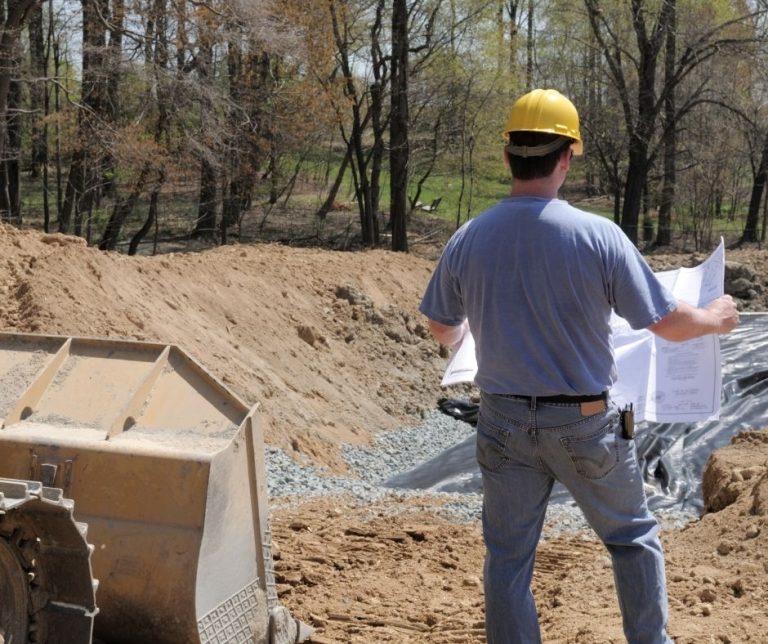
During construction, surveyors conduct as-built surveys to confirm that the building follows approved plans. If deviations arise, the certifier evaluates whether modifications meet compliance standards. Surveyors may also assess excavation depths, foundation alignments, and elevation levels, which are crucial for final certification. - Final Certification & Occupancy Approvals
Before a structure is legally occupied, both professionals contribute to the certification process. The surveyor confirms that the building remains within legal boundaries, while the certifier verifies compliance with building codes. This final check ensures that all legal and safety standards are met.
Why Their Collaboration Matters
Effective communication between building certifiers and land surveyors prevents costly disputes and project delays. Their combined expertise ensures:
- Regulatory Compliance – Avoiding legal complications from non-compliant structures.
- Accuracy in Building Placement – Preventing encroachments and setbacks violations.
- Efficient Approval Processes – Streamlining permit approvals and inspections.
- Safety & Structural Integrity – Ensuring buildings are constructed on solid, well-measured foundations.
Conclusion
The partnership between building certifiers and land surveyors is essential for any construction project in Brisbane. Their collaboration guarantees that developments meet legal, structural, and safety standards.
If you’re embarking on a new project, working with experienced professionals like A1 Certifier ensures a hassle-free approval process and long-term compliance.
Need expert building certification services? Contact A1 Certifier for reliable guidance on your next project.